Builders Waste Clearance in Soho

Understanding Builders Waste Clearance
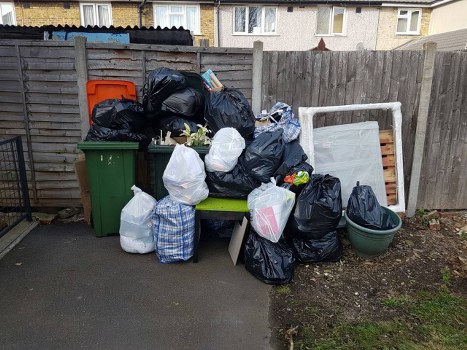
A collection of black, white, and patterned rubbish bags, along with a green wheeled bin and a large green plant pot, are piled on a paved area next to a wooden fence. The bags contain various household waste materials, some tied securely and others loosely, with visible plastic packaging and packaging debris. Several items, including a white frame and a disused mattress, also lean against the fence behind the pile. The setting appears to be an outdoor yard or rear garden of a property in Soho, with neighboring residential buildings visible beyond the fence. The ground shows a mix of paved surface and exposed soil, with some patches of bare earth. The scene captures the typical appearance of waste awaiting collection or removal, emphasizing the importance of professional rubbish clearance services such as those offered by Flat Clearance Soho in London.

Builders waste clearance is a crucial aspect of any construction or renovation project in Soho. Proper waste management ensures that the site remains safe, clean, and compliant with local regulations. It involves the removal of various types of debris generated during building activities, from bricks and concrete to packaging materials and wood scraps.

Efficient waste clearance not only contributes to the smooth progression of the project but also minimizes the environmental impact. By systematically managing and disposing of waste, builders can reduce their carbon footprint and promote sustainability in their operations.

In a bustling area like Soho, where space is at a premium, effective waste clearance becomes even more important. Limited access points and high population density require specialized strategies to handle and transport builders waste without causing disruptions or hazards.

The Importance of Proper Waste Clearance
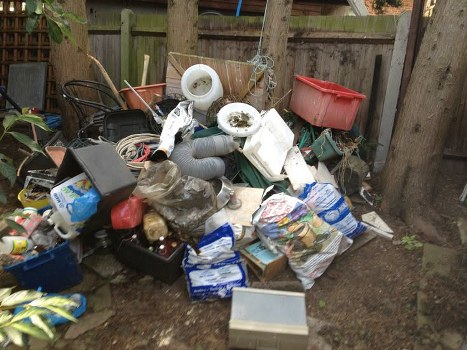
A large pile of mixed household waste and rubbish, including plastic bags filled with debris, cardboard boxes, plastic containers, and various discarded items, is situated on the ground in an outdoor area at the edge of a garden or yard, bordered by a wooden fence and tree trunks. The waste appears haphazardly stacked, with some items leaning against the fence and others scattered across the soil surface. Visible objects include white plastic pipes, black and red plastic crates, and a variety of packaging materials. The setting suggests an industrial or residential garden space in Soho or nearby, where Flat Clearance Soho provides rubbish removal services. Sunlight illuminates the scene, highlighting the textures of the materials such as the glossy plastic, rough cardboard, and muddy ground, all indicative of typical rubbish clearance activity in urban gardens or backyards.

Proper builders waste clearance is essential for several reasons. Firstly, it ensures the safety of the construction site by removing hazardous materials that could pose risks to workers and passersby. Materials such as sharp metal pieces, broken glass, and chemical residues need to be handled with care to prevent accidents and injuries.

Secondly, adhering to waste clearance regulations helps builders avoid legal penalties. Soho has specific guidelines regarding the disposal and recycling of construction waste, and non-compliance can result in hefty fines and project delays.

Moreover, responsible waste management enhances the reputation of builders and construction companies. Demonstrating a commitment to environmental stewardship can attract more clients and foster trust within the community.

Regulations and Compliance in Soho

A bright yellow plastic storage bin filled with numerous opened aluminum cans, some with their lids partially detached or bent, positioned on a black-and-white checkered floor with a solid blue wall in the background. The cans are reflective with metallic surfaces, and the bin is placed directly on the floor, suggesting a setting for waste collection or disposal, consistent with rubbish removal services offered by Flat Clearance Soho in central London, close to Soho and the postcode area W1. The image depicts a collection of discarded beverage cans, emphasizing the type of waste handled in domestic or commercial clearance projects within the Soho district. The lighting is even and natural, highlighting the details and textures of the cans and the vibrant color of the container, contributing to a clear, professional representation suitable for a comprehensive guide to waste clearance in London.

Soho has stringent regulations governing builders waste clearance to ensure that waste is managed in an environmentally friendly and socially responsible manner. Builders must obtain the necessary permits for waste disposal and adhere to guidelines that dictate how different types of waste should be handled.

Recycling is a significant component of Soho's waste management policies. Builders are encouraged to sort and recycle materials whenever possible. This not only reduces the amount of waste sent to landfills but also conserves valuable resources.

Failure to comply with these regulations can lead to legal consequences, project shutdowns, and damage to a builder's reputation. Therefore, understanding and following Soho's waste clearance laws is paramount for any construction project.

Challenges of Builders Waste Clearance in Soho
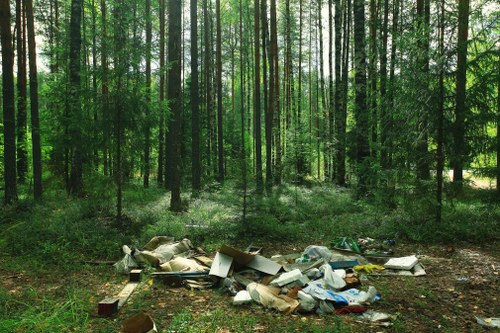
A patch of woodland with tall, slender trees and dense green foliage in the background, showing a layer of grass and small plants on the forest floor. In the foreground, there is a pile of discarded rubbish including cardboard boxes, plastic bags, and various debris scattered haphazardly on the ground. The rubbish appears to be related to building or household waste and contrasts with the natural environment of the wooded area. The lighting suggests daytime with sunlight filtering through the tree canopy. This image highlights illegal dumping issues that professional rubbish removal services, such as Flat Clearance Soho, help address in the local area around Soho and central London, especially in areas where waste disposal is unmanaged.

Clearing builders waste in Soho presents unique challenges due to the area's dense urban environment. Limited space for waste storage means that builders must find efficient ways to manage debris without cluttering the site or surrounding streets.

Accessibility is another major concern. Narrow streets, heavy traffic, and restricted entry points can complicate the transport of waste materials. Builders often need to coordinate with local authorities to arrange suitable waste collection times and routes.

Additionally, the diverse range of materials generated in construction projects requires specialized handling and disposal methods. From recyclable metals to hazardous chemicals, each type of waste demands a tailored approach to ensure safe and compliant clearance.

Choosing the Right Waste Clearance Service
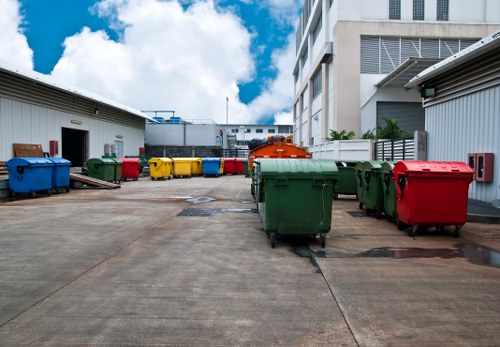
A concrete yard area situated between industrial buildings, used for rubbish and waste disposal. In the foreground, several large wheelie bins of different colours, including green, red, yellow, and blue, are arranged in a line towards the background. The bins appear to be used for various waste materials, with some lids partially open or closed. Behind the bins, a tall white industrial building with multiple windows and a metallic roller shutter door is visible on the right, while on the left, there are additional smaller structures, possibly storage sheds or service units. The sky overhead is partly cloudy with patches of blue, indicating a partly sunny day, and the ground surface is made of smooth concrete with visible expansion joints. This scene exemplifies a typical waste collection area managed by a building or commercial waste clearance service, such as Flat Clearance Soho, serving the Soho area within central London.

Selecting a reliable waste clearance service is critical for effective builders waste management in Soho. Builders should look for companies with experience in handling construction debris and a solid understanding of local regulations.

Services offered by waste clearance companies can vary, so it's important to choose one that aligns with the specific needs of your project. Look for comprehensive services that include sorting, recycling, and responsible disposal of all types of builders waste.

Cost and efficiency are also key factors to consider. While budget constraints are common in construction projects, investing in a quality waste clearance service can result in long-term savings by preventing fines and reducing the time spent managing waste.

Benefits of Professional Waste Clearance

A collection of black, white, and patterned rubbish bags, along with a green wheeled bin and a large green plant pot, are piled on a paved area next to a wooden fence. The bags contain various household waste materials, some tied securely and others loosely, with visible plastic packaging and packaging debris. Several items, including a white frame and a disused mattress, also lean against the fence behind the pile. The setting appears to be an outdoor yard or rear garden of a property in Soho, with neighboring residential buildings visible beyond the fence. The ground shows a mix of paved surface and exposed soil, with some patches of bare earth. The scene captures the typical appearance of waste awaiting collection or removal, emphasizing the importance of professional rubbish clearance services such as those offered by Flat Clearance Soho in London.

Engaging a professional builders waste clearance service offers numerous benefits. One of the primary advantages is the saving of time and resources. Professionals handle the entire waste management process, allowing builders to focus on their core activities without the added burden of waste disposal.

Another significant benefit is ensuring compliance with Soho's waste management regulations. Experienced services stay updated on the latest laws and best practices, reducing the risk of legal issues and ensuring that waste is disposed of responsibly.

Moreover, professional clearance services often have established relationships with recycling facilities, enabling higher recycling rates and contributing to environmental sustainability.

Environmental Impact of Builders Waste Clearance

A large pile of mixed household waste and rubbish, including plastic bags filled with debris, cardboard boxes, plastic containers, and various discarded items, is situated on the ground in an outdoor area at the edge of a garden or yard, bordered by a wooden fence and tree trunks. The waste appears haphazardly stacked, with some items leaning against the fence and others scattered across the soil surface. Visible objects include white plastic pipes, black and red plastic crates, and a variety of packaging materials. The setting suggests an industrial or residential garden space in Soho or nearby, where Flat Clearance Soho provides rubbish removal services. Sunlight illuminates the scene, highlighting the textures of the materials such as the glossy plastic, rough cardboard, and muddy ground, all indicative of typical rubbish clearance activity in urban gardens or backyards.

Effective builders waste clearance plays a vital role in mitigating the environmental impact of construction activities. By diverting waste from landfills and promoting recycling, builders can significantly reduce their ecological footprint.

Recycling construction materials not only conserves natural resources but also decreases the demand for new raw materials. This sustainable approach helps preserve the environment and supports the circular economy.

Additionally, proper waste clearance minimizes pollution and reduces greenhouse gas emissions associated with waste transportation and disposal, contributing to a healthier urban ecosystem in Soho.

Steps to Effective Waste Clearance

A bright yellow plastic storage bin filled with numerous opened aluminum cans, some with their lids partially detached or bent, positioned on a black-and-white checkered floor with a solid blue wall in the background. The cans are reflective with metallic surfaces, and the bin is placed directly on the floor, suggesting a setting for waste collection or disposal, consistent with rubbish removal services offered by Flat Clearance Soho in central London, close to Soho and the postcode area W1. The image depicts a collection of discarded beverage cans, emphasizing the type of waste handled in domestic or commercial clearance projects within the Soho district. The lighting is even and natural, highlighting the details and textures of the cans and the vibrant color of the container, contributing to a clear, professional representation suitable for a comprehensive guide to waste clearance in London.

Achieving effective builders waste clearance involves several key steps. The first step is assessment and planning, where the types and quantities of waste are identified, and a clearance strategy is developed.

Following this, the collection and transport of waste materials to appropriate facilities must be organized. This step requires coordination with waste clearance services to ensure timely and efficient removal.

Lastly, the recycling and disposal of waste need to be managed to comply with regulations and promote sustainability. Implementing a robust waste management plan ensures that all materials are handled responsibly.

Maximizing Efficiency in Waste Clearance

A patch of woodland with tall, slender trees and dense green foliage in the background, showing a layer of grass and small plants on the forest floor. In the foreground, there is a pile of discarded rubbish including cardboard boxes, plastic bags, and various debris scattered haphazardly on the ground. The rubbish appears to be related to building or household waste and contrasts with the natural environment of the wooded area. The lighting suggests daytime with sunlight filtering through the tree canopy. This image highlights illegal dumping issues that professional rubbish removal services, such as Flat Clearance Soho, help address in the local area around Soho and central London, especially in areas where waste disposal is unmanaged.

Maximizing efficiency in builders waste clearance can lead to significant improvements in project timelines and cost management. Implementing a well-structured waste management plan from the outset is essential.

Utilizing advanced sorting technologies and recycling methods can streamline the clearance process, reducing the time and labor required. This approach not only speeds up waste removal but also enhances the quality of waste separation, leading to higher recycling rates.

Collaboration with experienced waste clearance providers ensures that the process is handled professionally, minimizing disruptions and ensuring that all waste is disposed of correctly and promptly.

Innovations in Builders Waste Clearance

A concrete yard area situated between industrial buildings, used for rubbish and waste disposal. In the foreground, several large wheelie bins of different colours, including green, red, yellow, and blue, are arranged in a line towards the background. The bins appear to be used for various waste materials, with some lids partially open or closed. Behind the bins, a tall white industrial building with multiple windows and a metallic roller shutter door is visible on the right, while on the left, there are additional smaller structures, possibly storage sheds or service units. The sky overhead is partly cloudy with patches of blue, indicating a partly sunny day, and the ground surface is made of smooth concrete with visible expansion joints. This scene exemplifies a typical waste collection area managed by a building or commercial waste clearance service, such as Flat Clearance Soho, serving the Soho area within central London.

The builders waste clearance industry is continually evolving, with innovations aimed at improving efficiency and sustainability. Technologies such as automated sorting systems and real-time waste tracking are enhancing the effectiveness of waste management practices.

Moreover, the integration of sustainable materials and construction methods is reducing the generation of waste at the source. Builders are increasingly adopting practices that prioritize the use of recyclable and eco-friendly materials, further supporting environmental goals.

These advancements not only benefit the environment but also offer economic advantages by lowering disposal costs and optimizing resource utilization.

Conclusion

A collection of black, white, and patterned rubbish bags, along with a green wheeled bin and a large green plant pot, are piled on a paved area next to a wooden fence. The bags contain various household waste materials, some tied securely and others loosely, with visible plastic packaging and packaging debris. Several items, including a white frame and a disused mattress, also lean against the fence behind the pile. The setting appears to be an outdoor yard or rear garden of a property in Soho, with neighboring residential buildings visible beyond the fence. The ground shows a mix of paved surface and exposed soil, with some patches of bare earth. The scene captures the typical appearance of waste awaiting collection or removal, emphasizing the importance of professional rubbish clearance services such as those offered by Flat Clearance Soho in London.

Builders waste clearance in Soho is a vital component of any construction project, ensuring safety, compliance, and environmental responsibility. By choosing the right waste clearance service and implementing efficient waste management strategies, builders can achieve successful project outcomes while contributing positively to the community and the environment.

Effective waste clearance not only enhances the operational efficiency of construction projects but also supports the sustainability initiatives that are increasingly important in today's world.

Don't let waste management be a hurdle in your construction endeavors. Contact us today to learn how our professional builders waste clearance services in Soho can support your project needs and help you achieve your sustainability goals.

Frequently Asked Questions

In Soho, builders waste clearance services can handle a variety of materials including concrete, bricks, wood, metal, drywall, insulation, tiles, and packaging materials. They also manage hazardous waste like paint and adhesives, ensuring safe and compliant disposal.

To schedule a builders waste clearance service in Soho, you can contact a local waste clearance company via their website or phone. Provide details about the type and volume of waste, your location in Soho, and preferred dates. The service provider will then confirm availability and arrange a convenient time for clearance.

Yes, builder waste disposal in Soho must comply with local regulations set by the City Council. This includes proper segregation of waste, obtaining necessary permits, and ensuring that hazardous materials are handled according to environmental and safety standards. Professional clearance services are familiar with these regulations and ensure compliance.

The cost of builders waste clearance in Soho varies based on the volume and type of waste, the complexity of the job, and the specific services required. On average, prices can range from £100 to £500 or more. It is recommended to obtain quotes from multiple service providers to compare prices and services offered.

Builders waste clearance in Soho can typically be arranged within 24 to 48 hours, depending on the service provider's availability and the volume of waste. Emergency clearance services may offer same-day or next-day options to accommodate urgent needs.

Items commonly excluded from builders waste clearance in Soho include asbestos, certain hazardous materials, electrical appliances, medical waste, and large quantities of specific recyclables. It's important to check with the service provider for a comprehensive list of excluded items to ensure compliance with disposal regulations.

Depending on the volume and type of waste, builders in Soho may require permits for waste clearance. Local regulations mandate permits for large-scale waste removal or the disposal of hazardous materials. Professional clearance services often handle the permit application process on behalf of their clients.

In Soho, builders waste is recycled or disposed of through certified facilities. Materials like wood, metal, and concrete are often recycled into new products. Hazardous waste is treated and disposed of following strict environmental guidelines. Professional clearance services ensure that all waste is managed in an eco-friendly and compliant manner.

Yes, you can sort your own builders waste before clearance in Soho to facilitate efficient processing and recycling. Sorting waste into categories such as wood, metal, concrete, and hazardous materials helps the clearance service handle each type appropriately. Proper sorting can also reduce disposal costs and support environmental sustainability.

Using professional builders waste clearance services in Soho offers several benefits, including efficient and timely waste removal, compliance with local regulations, safe handling of hazardous materials, recycling and eco-friendly disposal options, and reduced risk of fines or legal issues. Professionals also provide the necessary equipment and expertise to manage waste effectively.

Yes, many builders waste clearance services in Soho offer eco-friendly options. These include recycling materials, using sustainable disposal methods, minimizing landfill use, and handling hazardous waste responsibly. Choosing an eco-friendly service helps reduce your environmental impact and supports local sustainability initiatives.

To prepare for a builders waste clearance service in Soho, sort and organize your waste into manageable piles according to type and material. Ensure clear access to the areas where waste will be collected, and secure any hazardous materials as required. Providing accurate information about the volume and nature of the waste to the service provider will also help facilitate a smooth clearance process.
Flat Clearance Soho

Explore comprehensive builders waste clearance in Soho, covering essential practices, challenges, regulations, and benefits of professional services to ensure safe, compliant, and sustainable construction projects.

Book Your Flat Clearance

Get In Touch With Us.

Please fill out the form below to send us an email and we will get back to you as soon as possible.