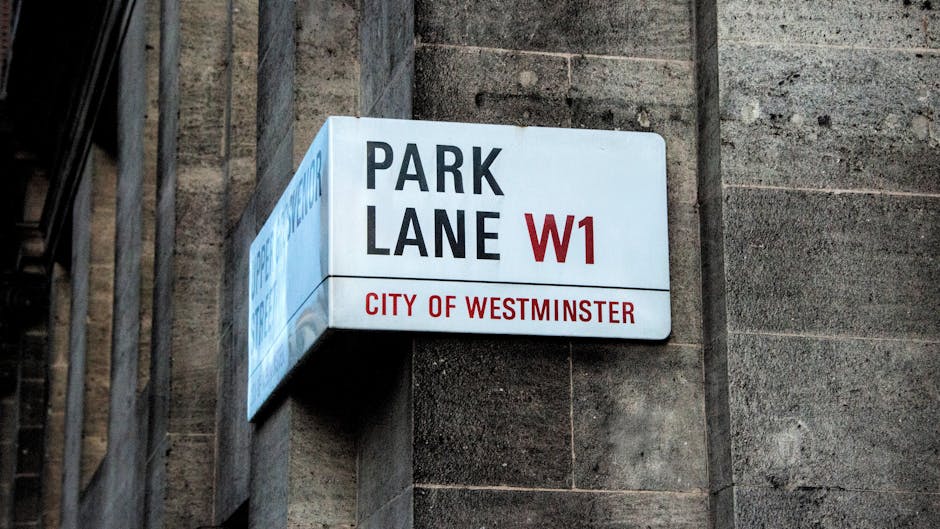
W1 waste clearance guide for Frith Street flats in Soho
Clearing waste from a Frith Street flat is rarely as simple as dragging a few bags downstairs. In Soho, you're dealing with narrow stairwells, busy pavements, awkward lift access, and neighbours who really do notice everything. If you've been searching for a practical W1 waste clearance guide for Frith Street flats in Soho, this article walks you through the process in a way that actually helps: what to clear, how to plan it, what to avoid, and how to keep the whole job tidy, safe, and as stress-free as possible.
Whether you're moving out, refreshing a rental, dealing with furniture that has seen better days, or clearing the last bits of renovation mess, the key is to make the job smaller and smarter. A good clearance plan saves time, reduces damage risk, and avoids those annoying "we can't take that" moments. Let's face it, nobody wants to be stood in a hallway at 8am with a sofa that won't fit through the door.
This guide is designed for real flats, real access issues, and real-life mess. It covers the practical side of waste clearance in Frith Street, plus the judgement calls that make a difference when you live in a busy central London building.
Table of Contents
- Why W1 waste clearance guide for Frith Street flats in Soho Matters
- How W1 waste clearance guide for Frith Street flats in Soho Works
- Key Benefits and Practical Advantages
- Who This Is For and When It Makes Sense
- Step-by-Step Guidance
- Expert Tips for Better Results
- Common Mistakes to Avoid
- Tools, Resources and Recommendations
- Law, Compliance, Standards, or Best Practice
- Options, Methods, or Comparison Table
- Case Study or Real-World Example
- Practical Checklist
- Conclusion
- Frequently Asked Questions
Why W1 waste clearance guide for Frith Street flats in Soho Matters
Frith Street sits in a part of London where pace, density, and access shape everything. That matters a lot when you're trying to clear waste from a flat. What would be a quick job in a suburban house can become a proper logistical puzzle in Soho. Staircases are tight, hallways may be shared, storage areas may be limited, and parking can be a headache even on a good day.
That is why a Frith Street flat clearance needs more than just muscle. It needs planning. You need to think about what's being removed, how it will leave the building, whether anything needs separating, and how to keep the communal areas clean and safe. A box of mixed rubbish might look harmless in a living room, but once it starts blocking a landing, it suddenly becomes everyone's problem.
Another reason this matters is reputation. In apartment buildings, especially older ones, one messy move can create friction with neighbours, landlords, concierge teams, or building managers. If you can clear waste efficiently and respectfully, you reduce the chance of complaints and avoid awkward follow-up conversations later. That part is underrated, but very real.
There is also the environmental side. Mixed waste often ends up being harder to sort and dispose of properly. If you separate reusable items, furniture, appliances, and general rubbish in advance, you usually make the whole process cleaner and more efficient. For many households, that means less stress and a better outcome. A small win, but still a win.
Expert summary: The best waste clearance jobs in Frith Street flats are rarely the fastest at the start. They're the best planned. Clear access, sorted waste, and a sensible disposal route usually beat last-minute improvisation every time.
How W1 waste clearance guide for Frith Street flats in Soho Works
Waste clearance in a Soho flat usually follows a simple pattern, although the details vary depending on the size of the job. First, you assess what needs to go. Then you decide whether items are reusable, recyclable, bulky, or classed as specialist waste. After that, the key question becomes access: can the items leave safely through the building without damaging walls, flooring, or doors?
For smaller clearances, you may only need a few bags and some careful sorting. For larger jobs, especially if furniture, appliances, or renovation debris are involved, the process can quickly become more involved. In our experience, the most common issue is not the waste itself. It's access. A wardrobe that looked manageable on paper can become the sticking point once you reach the first stair landing. Funny how that happens.
Once the load is understood, the next step is matching the right disposal method to the material. For example, general household waste, mixed flat rubbish, and bulky furniture all need different handling. If you want to reduce waste and improve recycling outcomes, it helps to use services that align with the type of items you are clearing, such as flat clearance, furniture disposal, or broader waste removal depending on what's actually in the flat.
People often underestimate the importance of timing. In a busy central area, a clearance slot that works well for everyone can be the difference between a smooth job and a stressful one. Morning slots may help avoid foot traffic; later slots may suit building access rules. It's not glamorous, but it matters.
What usually happens on the day
- A quick review of the items and access points.
- Protection for shared spaces where needed.
- Safe removal of bags, boxes, and bulky items.
- Separate handling for furniture, appliances, or special waste.
- Final sweep so the flat is left tidy and ready for the next step.
That last sweep is easy to dismiss, but it often makes the biggest difference. A floor free of screws, dust, and forgotten packaging feels like a proper finish, not just a halfway job.
Key Benefits and Practical Advantages
A well-managed waste clearance brings more benefits than people expect. Yes, it removes clutter. But it also improves safety, saves time, and reduces the mental drag of having unfinished jobs everywhere. If you've ever lived beside stacked boxes for weeks, you'll know what I mean. The room starts to feel smaller than it is.
- Faster reset of the flat: Helpful if you are moving, letting, or refurbishing.
- Less chance of damage: Planned removal protects hallways, walls, and lifts.
- Better sorting: Furniture, appliances, and general waste can be handled properly.
- Cleaner handover: Especially useful for landlords, tenants, and managing agents.
- Lower stress: One organised clearance is better than five improvised trips.
There's also a practical money angle, even if people don't always say it out loud. If waste is sorted properly the first time, you may avoid repeat collection costs, failed removals, or time lost trying to move oversized items yourself. And in central London, time is not a throwaway thing. It's the thing everyone seems to be short of.
For those dealing with a mix of old sofas, broken chairs, worn bedding, or appliances, specialised services can save real effort. Pages like mattress and sofa disposal and fridge and appliance removal are useful touchpoints when the clearance includes awkward household items.
Who This Is For and When It Makes Sense
This guide is for anyone dealing with waste in a Frith Street flat, but a few situations come up again and again. Some are obvious, others less so. Truth be told, waste clearance usually becomes urgent at the exact moment you'd rather be doing anything else.
Typical situations where clearance makes sense
- End of tenancy: You need the flat left tidy and free of leftover items.
- Before a sale or let: Empty rooms photograph better and feel more presentable.
- After a refurb: Broken packaging, offcuts, and old fittings pile up fast.
- Furniture refresh: New pieces are arriving and the old ones have to go.
- De-cluttering: Sometimes the place just gets overwhelmed over time.
It also makes sense if you live in a building where waste storage is limited. In Soho, communal bin areas can fill quickly, and leaving bags for "later" rarely works out well. If you're in a top-floor flat, the problem is even more obvious. There's only so much you want to carry down before you start questioning your life choices.
Commercial tenants and small offices in the area may also need support, especially when clearing equipment, paperwork, or shared furniture. If that sounds familiar, office clearance or business waste removal may be more appropriate than a standard domestic clearance approach.
Step-by-Step Guidance
If you want to approach a Frith Street flat clearance properly, keep it simple and sequential. Don't start by lifting. Start by deciding. That alone saves a lot of back-and-forth.
- Walk through the flat room by room. Make a quick list of what stays, what goes, and what needs special handling.
- Separate the obvious categories. Keep general waste apart from furniture, appliances, documents, and anything hazardous.
- Check access points. Measure larger items, note stair turns, and look at lift size if relevant.
- Decide on the disposal route. Some jobs suit a simple flat clearance; others need a more tailored waste removal plan.
- Protect the route out. Use covers or careful lifting where needed, especially in shared hallways.
- Remove items in a sensible order. Start with loose bags and smaller pieces, then deal with bulky items last.
- Finish with a tidy-up. Sweep, check corners, and make sure nothing sharp or spill-prone has been left behind.
A useful habit is to keep one final "decision pile" aside while you work. That pile is for items you are genuinely unsure about, such as an old appliance, half-dismantled furniture, or material that may need specialist handling. It is much better to pause and assess than to mix everything together and hope for the best. Hope is not a disposal strategy.
If your clearance includes items that may be reusable or need careful disposal, it can help to read up on related services like furniture clearance and recycling and sustainability so you can make more informed decisions.
Expert Tips for Better Results
A few small choices can make the whole process noticeably smoother. These are the things people learn the hard way, usually after one too many awkward lifts or one scraped wall. You don't need perfection. Just a bit of order.
- Measure first, move second. The door frame is usually the problem, not the item itself.
- Take photos of bulky items. It helps you think clearly about removal order and access.
- Keep screws and fixings in a labelled bag. Small parts disappear fast.
- Leave a clear walkway. A narrow flat becomes much easier to work in when the route is open.
- Don't mix clean and dirty materials. It may affect what can be reused or recycled.
- Book sensible timing. Avoid the peak rush where possible, especially if access is awkward.
If you're clearing a sofa, mattress, or appliance, think about whether it needs special handling before the day. That can save a lot of rework. And if there's any doubt, keep it separate rather than squeezing it into the general pile. Simple, but effective.
One more thing: speak to the building manager or landlord if access rules might affect the job. A five-minute conversation can prevent a thirty-minute delay. Not always, but often enough to be worth it.
Common Mistakes to Avoid
Most clearance problems are avoidable. They come from rushing, overfilling, or assuming access will work out somehow. In a Frith Street flat, that approach tends to get punished quite quickly.
- Leaving everything until the last minute. This creates pressure and increases the chance of poor decisions.
- Ignoring awkward dimensions. Big furniture rarely becomes smaller because you wish it would.
- Mixing waste types together. This can complicate handling and disposal.
- Forgetting shared-space etiquette. Hallways and stairwells are not a staging area.
- Overlooking specialist waste. Appliances, confidential paperwork, or potentially hazardous items may need separate treatment.
- Assuming every item can be treated the same way. It cannot, and trying to do so usually creates extra work.
Another common slip is underestimating how long the final tidy-up takes. The flat may look almost done, then you notice a few stubborn bags, dust under the radiator, a broken bracket on the floor, and suddenly it's another half-hour. That's normal. Just build for it.
Tools, Resources and Recommendations
You don't need a warehouse of kit to clear a flat well, but a few basic tools help enormously. Practicality beats gadgetry here.
Useful items to have on hand
- Sturdy gloves
- Bin bags and heavy-duty sacks
- Marker pen and labels
- Box cutter or scissors
- Dustpan and brush
- Furniture blankets or protective covers
- Tape for securing loose parts
If you are working through a mixed load, it helps to understand what can and cannot be set aside for standard disposal. That is where a guide like what can go in a skip can be useful for general reference, even if you are not using a skip itself. It gives you a better feel for what should be kept separate.
For jobs involving old furniture or broken appliances, the most relevant support pages are often the most specific ones. Use furniture disposal when bulky household items dominate the job, and fridge and appliance removal when white goods are involved. If the overall project is broader, home clearance can be a better fit.
Law, Compliance, Standards, or Best Practice
Waste clearance in the UK needs to be handled responsibly, and in central London that standard should be taken seriously. While every situation is different, the safe approach is to make sure waste is removed by a suitable route, sorted where possible, and not dumped into communal areas or left in the street. That last part sounds obvious, but you'd be surprised.
For flats, good practice usually includes:
- Keeping access routes safe and unobstructed.
- Handling potentially hazardous or specialist waste separately.
- Protecting shared building areas from damage or mess.
- Using responsible disposal and recycling methods.
- Checking building rules where access or timing is restricted.
Some items need extra care. Fridges, electrical appliances, chemicals, and certain renovation materials may have specific handling needs. If you're unsure, do not guess. Put them aside and treat them as a separate category. It's a small pause that can prevent a much bigger problem later.
For customers who want reassurance about working standards, it can also be useful to review pages like health and safety policy, insurance and safety, and terms and conditions. They help set expectations around how a job is approached and what responsible service looks like.
Options, Methods, or Comparison Table
There are several ways to handle waste clearance in a Soho flat. The best choice depends on volume, item type, access, and how quickly you need the space cleared.
| Method | Best for | Strengths | Limitations |
|---|---|---|---|
| Self-clearance | Small bagged waste and lightweight items | Low-cost if you already have transport and time | Time-consuming, physically demanding, awkward in tight access |
| Flat clearance service | Mixed household items and general flat contents | Convenient, efficient, suitable for multi-item jobs | Needs booking and clear access planning |
| Furniture-specific disposal | Sofas, beds, wardrobes, and bulky items | Good for heavy or awkward pieces | May not suit mixed waste loads by itself |
| Specialist disposal for appliances | Fridges, cookers, and electrical items | Handles awkward and regulated items more safely | Not ideal for general clutter or mixed rubbish |
For most Frith Street flats, a mixed-item clearance is the most practical route because very few jobs are neatly one-category only. There's usually a bit of everything: bags, boxes, maybe a chair with one wonky leg, and that one kitchen item you've been meaning to deal with since winter. The mixed-load reality is normal.
Case Study or Real-World Example
Imagine a one-bedroom flat just off Frith Street after a tenant move-out. The space has a broken bed frame, an old mattress, a small fridge, several bags of household waste, and a couple of chairs that are no longer worth keeping. The flat itself is on an upper floor, and the staircase is narrow with a tight turn halfway down.
The first sensible move is not to start hauling everything at once. It is to sort the items into categories, check the route out, and decide which pieces need special handling. The mattress and chairs can be grouped together. The fridge is separated for appliance removal. The bagged rubbish is kept distinct from the furniture. That means fewer surprises and a cleaner handover at the end.
On the day, the bags and loose items would likely go first. That clears space and makes movement easier. Then the bulkier pieces follow, with care taken at the stair turn and around the hallway corners. Finally, the flat is checked for loose fixings, dust, and stray packaging. Simple process, but it avoids the kind of scramble that makes everyone grumpy by 11am.
In a real Soho setting, the difference is often in the details: a better lift booking, one extra person to hold doors, a clearer removal route, or a decision to split the job into two phases. Small things. They add up.
Practical Checklist
Use this checklist before any Frith Street flat clearance. It keeps the day calmer and makes the work feel a lot more manageable.
- Walk through every room and decide what stays.
- Separate general waste, furniture, appliances, and any questionable items.
- Measure large pieces against doors, stairs, and lifts.
- Check whether the building has access rules or timing restrictions.
- Set aside anything hazardous or specialist for separate handling.
- Gather gloves, bags, tape, and protective covers.
- Clear a walkway from the flat to the exit.
- Plan where reusable items might go before disposal begins.
- Keep one final sweep of the flat at the end.
- Confirm the space is tidy and safe before you leave.
If you want a more service-led route, you can also review pricing and quotes before making a booking decision. That can help you compare the scope of your job against the amount of help you may need.
Conclusion
A successful Frith Street flat clearance is not about speed alone. It is about making sensible choices before the lifting starts. In Soho, where access can be tight and time can feel short, the most effective waste clearance jobs are the ones that are planned properly, sorted carefully, and finished with respect for the building and the people around it.
If you take nothing else from this guide, remember this: separate your items, measure your awkward pieces, and do not leave specialist waste until the last second. That alone will save stress. Probably more than you expect.
If you are comparing options or preparing for a clearance in W1, it is worth looking at the wider service information too, especially if your flat contains mixed furniture, appliances, or a fuller household load. For a better sense of what support is available, you may find about us and book online helpful next steps.
Get a free quote today and see how much you can save.
And once the flat is clear, the place has a way of feeling bigger, lighter, easier to breathe in. That part never gets old.
Frequently Asked Questions
What is included in a W1 waste clearance guide for Frith Street flats in Soho?
It usually covers how to clear furniture, bagged waste, appliances, and mixed flat contents safely in a central London flat, with attention to access, sorting, and disposal planning.
How do I know whether I need flat clearance or waste removal?
If you're clearing multiple household items or a whole room, flat clearance is usually the better fit. If you only have a small amount of mixed rubbish, broader waste removal may be enough.
Can bulky items be taken from a Frith Street flat?
Yes, but bulky items need to be checked against stair width, door frames, and lift access. Sofas, beds, wardrobes, and similar items often need careful planning.
What should I do with a fridge or old appliance?
Keep it separate from general waste and treat it as a special item. Fridge and appliance removal is the relevant route for those items.
Is it better to clear waste myself or use a service?
For a few bags, self-clearance can work. For furniture, mixed waste, or awkward access, a professional-style clearance is usually far easier and less risky.
How long does a flat clearance usually take?
It depends on the amount of waste, access, and whether items need to be dismantled. A small flat may be quick; a cluttered one with bulky furniture can take much longer.
What if I'm not sure whether an item can be disposed of normally?
Set it aside and don't mix it into the general pile. If in doubt, treat it separately so you can decide the safest disposal route later.
Do I need to sort waste before the clearance?
It helps a lot. Sorting furniture, appliances, general rubbish, and any special items in advance makes the whole process smoother and more efficient.
Are there best practices for flats with shared hallways?
Yes. Keep shared spaces clear, minimise noise where possible, protect walls and flooring, and avoid blocking other residents' access.
What if my flat has tight stairs and no lift?
That is common in Soho. Measure larger items carefully, remove smaller items first, and make sure the route is clear before any lifting begins.
Can I book help for just one or two awkward items?
Yes, that can make sense, especially for a mattress, sofa, or appliance that would be difficult to move alone. It's often more practical than improvising.
Where should I start if I'm clearing a whole flat in one go?
Start with a room-by-room list, sort items into categories, and identify anything bulky or specialist before moving anything downstairs. That first pass saves a surprising amount of time.